Rob Blackwell (BAS/UEA)
Real-time reporting of ecosystem metrics from acoustic sensors on ocean gliders
The central component of the NEXUSS student’s doctoral experience is a major, challenging and innovative research project, in which the student will conduct original SAOS-based environmental research. NEXUSS projects are carefully designed to be at the forefront of SAOS development and application to an exciting environmental science problem. The remit of NEXUSS projects is such that novel integration of environmental, engineering and Big Data technology or approaches is required to pursue the research. Each student will be guided in their research by a multidisciplinary supervisory team of at least three expert researchers from two or more NEXUSS partner institutions.
Real-time reporting of ecosystem metrics from acoustic sensors on ocean gliders
Testing the effectiveness of Autonomous Underwater Vehicles (AUVs) for monitoring and mapping the seabed in Marine Protected Areas
Sounds in the Sea. How can we listen from ocean gliders?
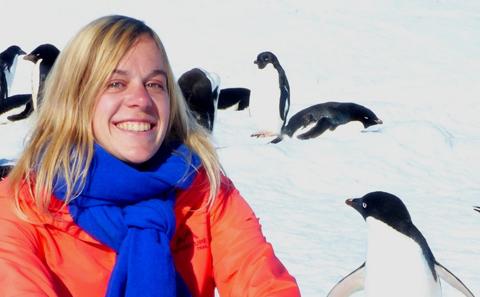
New insight into the foraging strategies of Antarctic marine predators using innovative biologging tools
Intelligent AUV swarm behaviours for monitoring of rapidly evolving ocean phenomena

Autonomous carbon system observations from gliders (AutoCarb)
Fine scale mapping of cold-water coral and shallow water coral reefs
Can underwater gliders quantify horizontal mixing in the west Antarctic?
Development of in-situ ‘lab-on-chip’ sensors for ocean science, fisheries and aquaculture

GPU-Accelerated 3D Visualisation and Analysis of Migratory Behaviour of Long Lived Birds

Automated UAV and satellite image analysis for wildlife monitoring

Performance characterization and application of networks of low-cost sensors for air pollution in urban areas

Sensor development for in-situ measurements of charge in non-thunderstorm clouds using small UAVs and balloons
Microplastics in the marine environment: Detection using a novel, hyperspectral infrared camera on a UAV

Listening to the Oceans: Autonomous Acoustic Imaging of Oceanic Structure
Ship-seq: Nanopore MinION sequencing of polar microbes on-board icebreakers
Development of novel microfluidics systems for radionuclide detection

Mapping ocean mixing using autonomous gliders: Indian Ocean and Antarctic shelf seas
Plug and play monitoring: developing novel solutions for marine observations using divers as citizen scientists
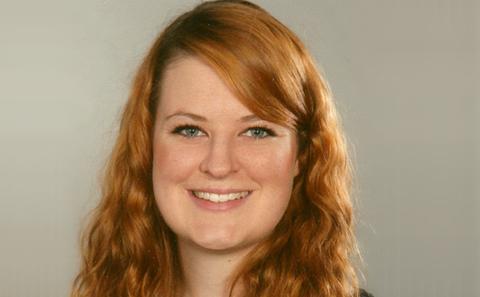
Developing the next generation of sediment profile imaging camera/ planar optode system for use on autonomous platforms

Sea Ice Retreat – using AUVs to measure the turbulent polar oceans
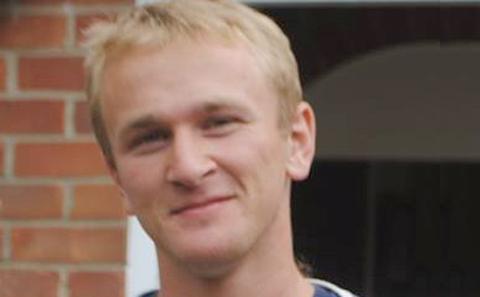
Shear Madness, new ways to measure ocean velocities from a glider
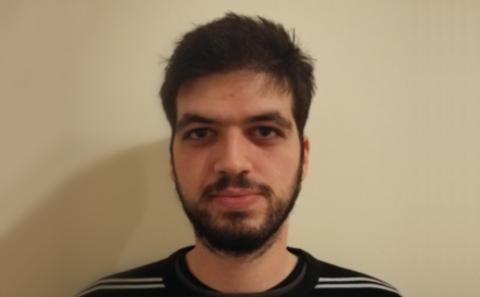
Cooperative autonomous marine vehicles for adaptive passive acoustic monitoring
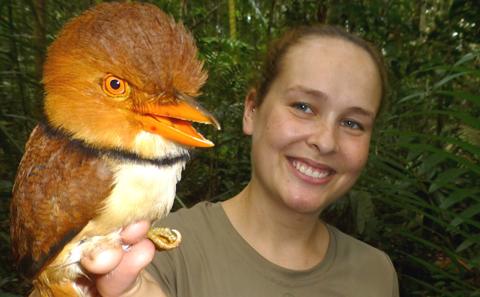
The environmental determinants of dispersal and migratory behaviour of long lived birds
Development of a UAV based topographic sensor for monitoring dynamic environments
Marine Mammal Detection using Autonomous Surface Vehicles

Learning in the Deep: Quantifying change in deep-sea benthic environments using images collected by AUVs
A coupled CFD and observational approach to improve measurements of ocean turbulence from gliders

Passive and automated sensing of fluvial sediment and wood transport
Where AUVs dare: Svalbard’s subglacial discharge plumes
The role of river flow is regulating ocean acidification in Belizean coastal waters
Big-data analysis tools for bridging the gap between omics and earth system science
Automated underwater image analysis
Improving the detection and estimation of birds' collision risk with energy infrastructure
Underwater Monitoring Using Sonars and Deep Learning
Blue eyes: New tools for monitoring coastal environments using remotely piloted aircraft and machine learning
A high-throughput autonomous microfluidic imaging system for the analysis of microalgae using a novel ultrasonic technology

Sounding out zooplankton: using autonomous wideband echosounders to characterise polar ecosystems
Autonomous Insights Into Algal Nutrient Uptake
Southern Ocean - carbon source or sink?

Autonomous monitoring of marine organisms using novel technologies
Multiplatform study of the carbonate system in the South Pacific sector of the Southern Ocean
Develop a new generation of active chlorophyll fluorometers designed specifically to facilitate high resolution in situ measurements of oceanic primary production