

About
The Maritime Decarbonisation SIG is at the forefront of tackling the critical issue of maritime decarbonisation. This SIG recognises the profound importance of its mission for several reasons:
- it strives to address the substantial environmental impact of the maritime industry. As one of the largest contributors to global greenhouse gas emissions, the industry's carbon footprint poses a severe threat to our planet.
- it is a proactive response to this environmental challenge, aiming to reduce emissions and promote a more sustainable future, including amid initiatives to develop global sectoral targets.
- it will also contribute to the attainment of the Sustainable Development Goals.
Furthermore, the SIG is committed to ensuring that the maritime sector meets its regulatory commitments, especially in the context of emerging technologies such as autonomous vessels. Stringent regulations are necessary to enhance the safety, efficiency, and sustainability of maritime transportation. By focusing on these commitments, the SIG plays a pivotal role in promoting responsible industry practices.
While some may perceive maritime decarbonisation initiatives as costly, the SIG sees them as economic opportunities. Transitioning to greener shipping practices can lead to cost savings and new business prospects. By driving innovation and fostering sustainable solutions, the SIG helps industry players prosper in a changing global market.
International collaboration is another pillar of the SIG's efforts. The maritime sector operates on a global scale, and it is essential for stakeholders to work together to achieve meaningful results. International collaboration facilitates the sharing of best practices, technological innovations, and policy frameworks that can accelerate the industry's transformation in response to global challenges.
Through a multi-faceted approach that encompasses environmental responsibility, regulatory compliance, economic benefits, international collaboration, and alignment with national commitments, this SIG is driving positive change and shaping a more sustainable and prosperous future for all.
To find out more about the Maritime Decarbonisation Special Interest Group and what we do, get in touch with group champion Seyedvahid Vakili.
Join the SMMI Community to sign up to this group, and any others of interest to you.
People, projects and publications
People
-

Doctor Richard Stockey
Associate ProfessorTreating the geologic record as a historical laboratory for studying the responses of m
Accepting applications from PhD studentsEmail: R.G.Stockey@soton.ac.uk -
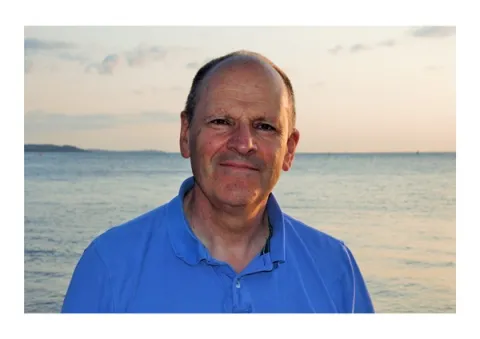
Professor Robert Nicholls
Professor of Coastal Engineeringlong-term coastal engineering and management
Email: R.J.Nicholls@soton.ac.ukTel: +000Address: Boldrewood Campus, Burgess Road, Southampton, SO16 7QF -
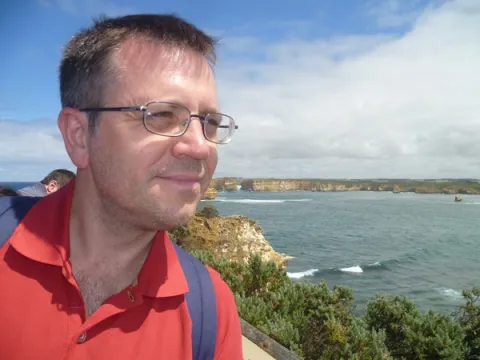
Professor Robert Marsh
Professor of Oceanography & ClimateAccepting applications from PhD studentsEmail: R.Marsh@soton.ac.ukTel: +44 23 8059 6214Address: National Oceanography Centre, Waterfront Campus European Way, Southampton, SO14 3ZH -
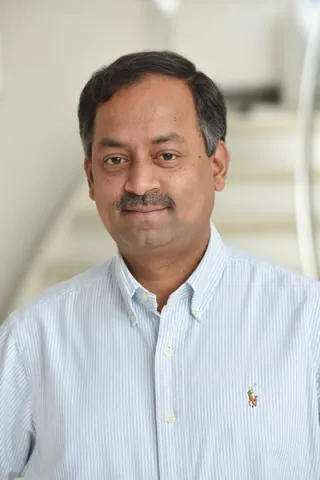
Professor Robert Raja
Professor of Materials Chemistry & CatalysisHeterogeneous Catalysis
Sustainable Chemistry
Accepting applications from PhD studentsEmail: R.Raja@soton.ac.ukTel: +44 23 8059 2144Address: B30, East Highfield Campus, University Road, Southampton, SO17 1BJ -
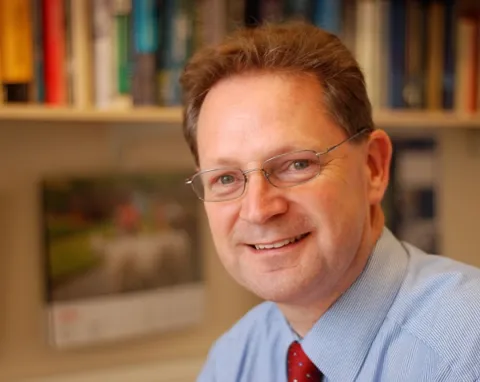
Professor Robert Wood
Professor of Surface Engineering & Tribologythe application of lubrication, wear and friction science
Email: r.wood@soton.ac.ukTel: +44 23 8059 4881Address: B7, East Highfield Campus, University Road, Southampton, SO17 1BJ -
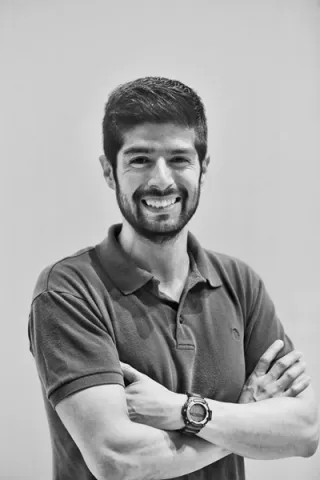
Doctor Rodolfo Olvera
Senior Enterprise FellowExperimental tests
Tidal energy
Email: R.Olvera@soton.ac.ukTel: +44 23 8059 1993Address: Boldrewood Campus, Burgess Road, Southampton, SO16 7QF -
Mr Rory Miles
Principal Enterprise FellowEmail: R.W.Miles@soton.ac.ukTel: +447353108520Address: B1, East Highfield Campus, University Road, Southampton, SO17 1BJ -

Professor Rosalind Coggon
ProfessorThe role of hydrothermal fluids in the formation and evolution of the ocean crust
Email: R.M.Coggon@soton.ac.ukTel: +44 23 8059 6621Address: National Oceanography Centre, Waterfront Campus European Way, Southampton, SO14 3ZH -
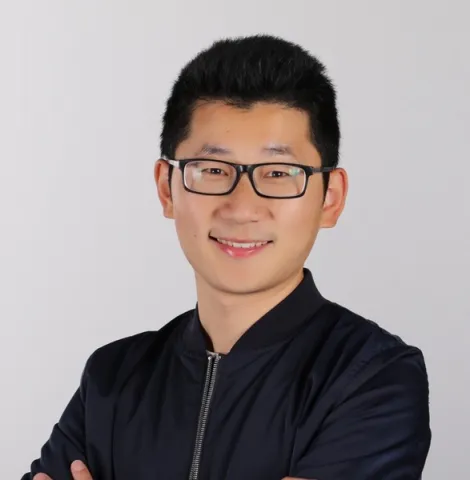
Doctor Rujie Sun
LecturerBioelectronics
Medical Robotics (Micro/Nano Robotics, Soft Robotics)
Accepting applications from PhD studentsEmail: Rujie.Sun@soton.ac.ukTel: +44 23 8059 8343Address: B13, East Highfield Campus, University Road, Southampton, SO17 1BJ -
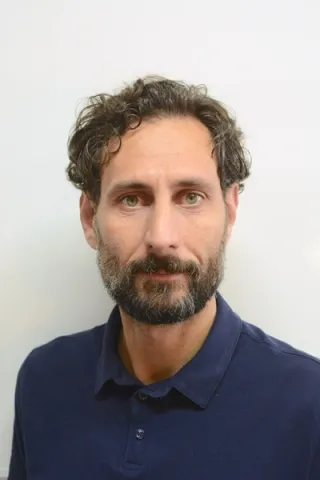
Doctor Ryan Reisinger
Associate ProfessorAccepting applications from PhD studentsTel: +44 (0)23 8059 6449Address: National Oceanography Centre, Waterfront Campus European Way, Southampton, SO14 3ZH



Developing strong laws and regulations for decarbonising the shipping sector, which is a growing source of global emissions, is crucial to climate mitigation efforts.
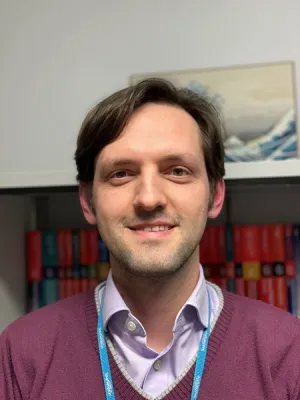
Driven by a passion for sustainable shipping, I aim to enhance ship efficiency, reducing emissions and pioneering a greener maritime future.
Related research institutes, centres and groups
-

Southampton Marine and Maritime Institute
We work with partner organisations to tackle global marine and maritime challenges, from developing green technologies to influencing government policy. -

Centre for International Law and Globalisation
The Centre for International Law and Globalisation (CILG) was established in 2022 and brings together researchers working in a broad range of fields of international and global law. -
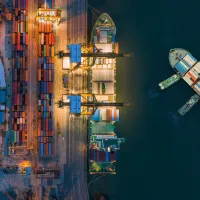
Institute of Maritime Law (IML)
The Institute of Maritime Law is a world leading centre for research, consultancy and training in maritime law, led by Director, Professor Andrea Lista. -
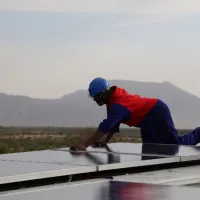
Energy and Climate Change Group
The research group seeks engineering solutions for reliable, affordable and sustainable energy stemming from renewable resources. -
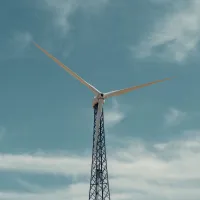
Energy Technology Group
The Energy Technology Group researches is the focal point for energy research in Engineering and the Environment. Our aim is to address major scientific and technological challenges faced in energy efficiency and technology. -
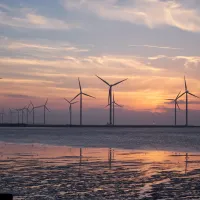
Infrastructure Group
The Infrastructure Research Group has expertise across structural and geotechnical engineering. We address research challenges found onshore and offshore, supporting sustainability and resilience.