Southampton research showed that the church and older people’s Romanian and Roma neighbours have stepped into the gap to provide the care and support that was previously offered by families.
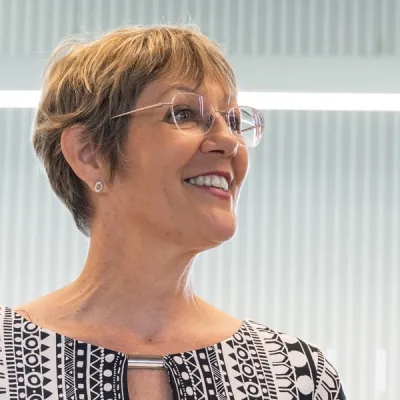
The study is led by Dr Elisabeth Schröder-Butterfill, Director of Research in Gerontology, and Dr Julia Schonheinz (Newman), formerly a Research Fellow in the Centre for Research on Ageing and now working for the University’s Research and Innovation Services.
The impact of transnational migration
The Southampton research team has been studying transnational family networks and community change in the Transylvanian Saxons, a German-speaking minority in Romania. This population underwent an exodus to Germany after the collapse of communism in 1990.
The transnational migration of younger family and community members has had a significant impact on the social networks of older people who are ‘left behind’.
They may experience lack of support and care, and face loneliness, unless their ties to migrant family members remain strong or local networks fill the gap.
Elisabeth said: “The Saxon population that remained in Romania was predominantly older, raising questions about how old-age care and support could be maintained in the face of mass-emigration.
We conducted ethnographic research and interviewed older people, community leaders, care-home staff and welfare providers in Transylvania.
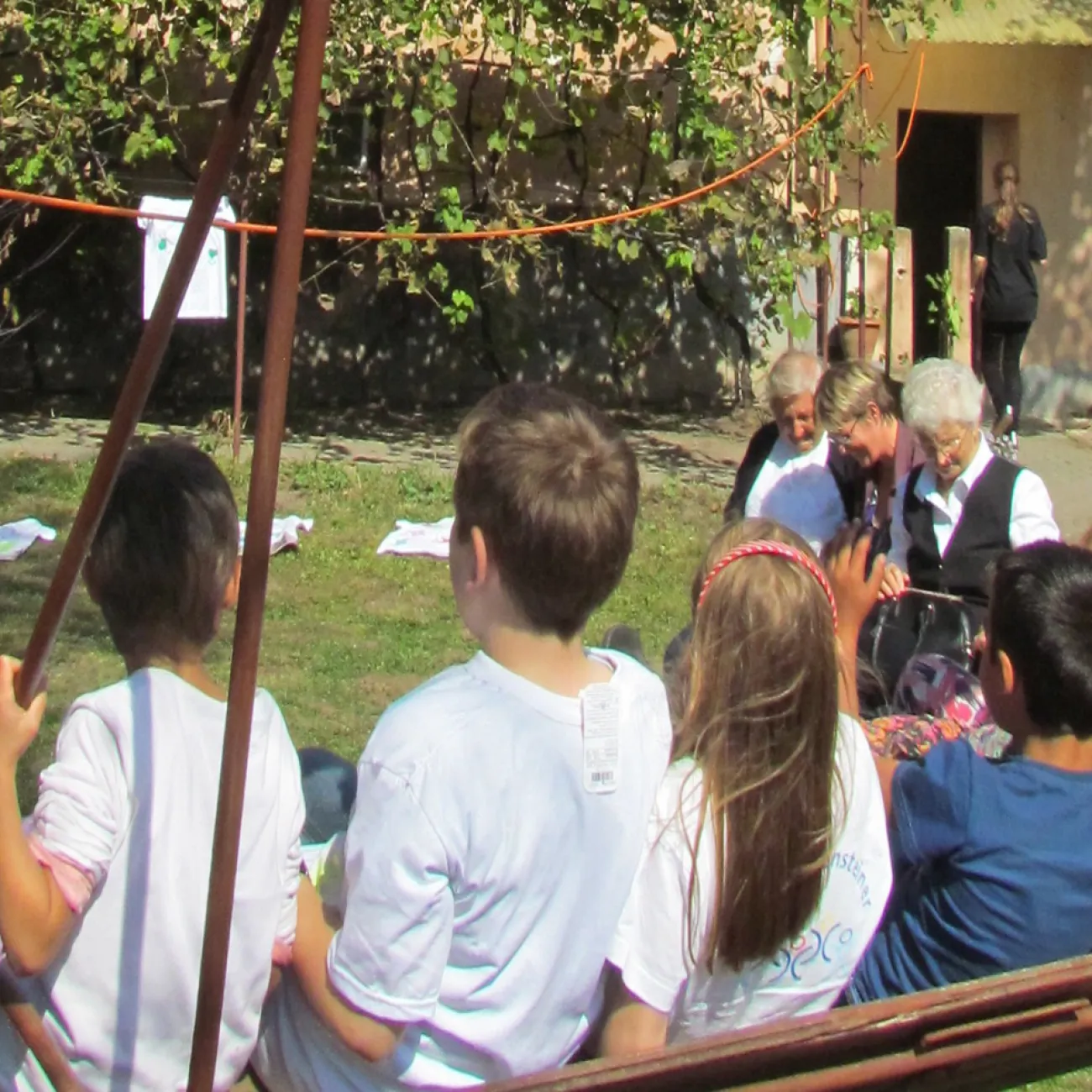
The research revealed that while money transfers from Germany declined over time, the migrants still kept in touch, visited and organised care for their family members still in Romania.
Central to the migrant family members’ ability to provide ‘care from a distance’ were the strong community networks and civil society organisations in Romania.
Elisabeth added: “Previously relations with Romanian and Roma neighbours were distanced, but now they provide the care and support that formerly came from their families. Likewise, the Lutheran church, which has been a spiritual focal point in the past, has emerged as a major provider of old-age welfare by establishing care homes, meals-on-wheels and visiting services.”
One church leader interviewed in the study said: “We never needed a Diakonie (church-based welfare) until 1990. Then communities were well structured into neighbourhoods, sisterhoods, brotherhoods, one used to help each other. But after 1990, when all this collapsed, when these structures were no longer sustainable, when one no longer had the people with whom one could do that, then the church took over.”
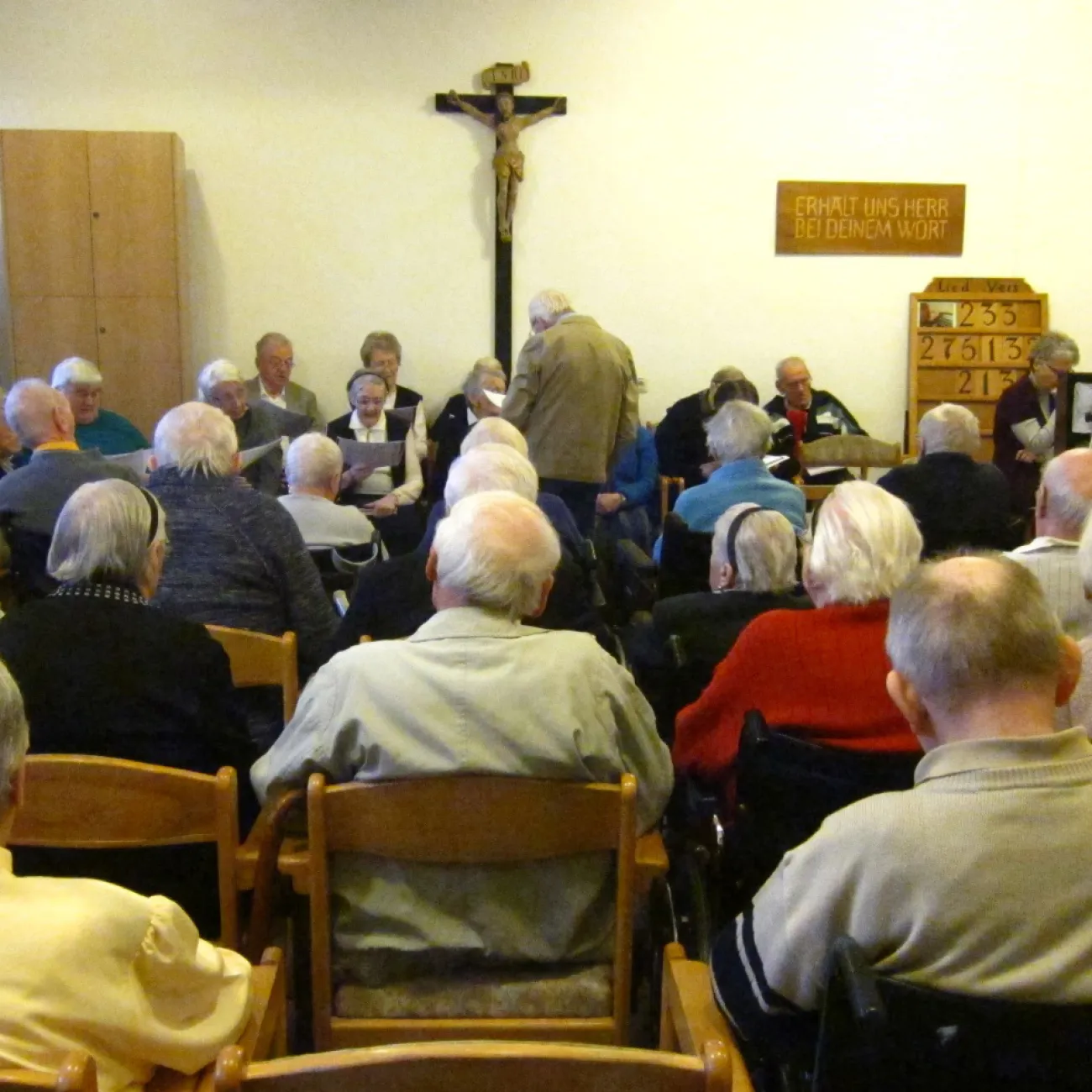
Civil society organisations in Transylvania are using critical evidence from this Southampton research to sustain and widen welfare services for Transylvanian Saxon older people with declining family support.
Findings have also been shared with key stakeholders such as members of the Lutheran church, care home staff, church welfare organisations, academics and journalists.
The intersection of ageing and migration can create challenges for older people’s support networks. Our research shows that it can also give rise to new supportive networks via community and civil society engagement in the sending country.
Dr Elisabeth Schroeder-Butterfill