
About
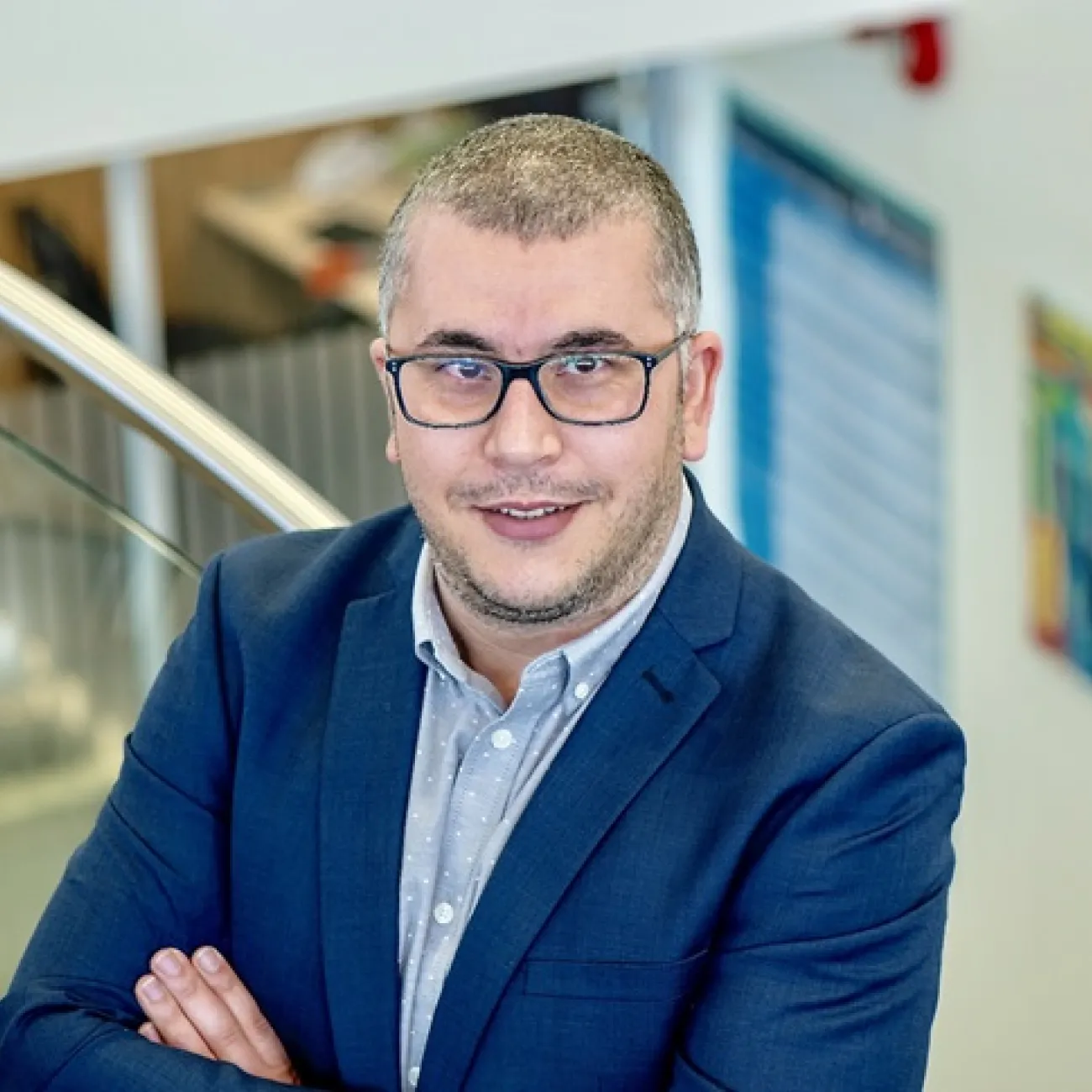
Dr. Salah Elias is Associate Professor of Developmental Biology. His laboratory focuses on uncovering novel mammary stem cell subsets and defining the mechanisms that regulate their fate and dynamics. His research investigates how oriented cell divisions, cell polarity, centrosome dynamics, and membrane–cytoskeleton interactions coordinate epithelial cell fate, tissue architecture, and tumorigenesis in the mammary gland. His group adopts a highly multidisciplinary strategy integrating mouse genetics, 3D organoid models, advanced imaging, omics approaches, and AI‑guided modelling to decode the cellular logic governing epithelial development and disease.
Key roles and responsibilities
University of Southampton
02/2025-present: Lead of the SoBS Cell and Developmental Biology Research Theme.
09/2023-present: FELS Researcher Development Concordat Champion and Chair of the Concordat Working Group. I am leading faculty implementation of the Researcher Development Concordat (RDC), including a pioneering 2025 initiative embedding a 5% FTE allocation in research staff Job Descriptions to deliver the RDC‑mandated 10 days of Continuing Professional Development—now adopted University‑wide. I also led development of a comprehensive faculty Mentoring Programme in 2025.
09/2023-present: Co-Lead of the IfLS Stem Cells & Organoids Theme. I am co-leading initiatives enhancing multidisciplinary collaboration and capability.
07/2023-present: Founder and Lead of the Southern Stem Cells & Regeneration Network (SSCRNet). I have led the creation of SSCRNet, a forum for collaboration and networking between stem cell and developmental biologists in southern England. SSCRNet, includes a monthly seminar series for PIs including internal and external speakers. It also includes collaborative events. SSCRNet has expanded recently to include the Universities of Bristol and Exeter.
01/2019-04/2025: Academic Lead of the L5 Laboratories in the Life Sciences Building 85.
01/2019-11/2022: Chair of SoBS Equality, Diversity, and Inclusion Group. I have led the development and implementation of activities embedding EDI in the school’s research, education and enterprise activities. I have led the successful Athena Swan Silver Award renewal in March 2022.
External
12/2025-present: Scientific Advisory Board Member Research Unit in Medicinal Plants, Laghouat, Algeria.
06/2025-present: Scientific Council Member for the Biotechnology Research Centre (CRBt), Constantine, Algeria.
10/2023-present: Committee Member for the Constantine Science Bridges. Setting-up an international webinar series and conference.
03/2023-present: Consultancy Panel Member for Gender Equality Committee of the Faculty of Health, Aarhus University, Denmark
20-23/09/2022: Organising Committee Member for the 1st @NewPIsCellDev International Conference: Emerging concepts in Cell and Developmental Biology (Aarhus University, Denmark).
05/2020–10/2022: Founder and member, the New PIs in Cell and Developmental Biology Forum (@NewPICellDev), a global network of more than 180 labs that enhanced collaboration during and after the COVID‑19 pandemic.
01/2020–12/2022: Panel Member, The Royal Society International Exchange Grant Programme.