About
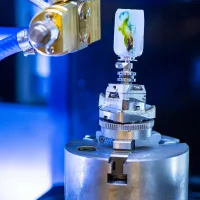
Contemporary scientific research benefits from rapid technological developments that enable the characterisation and quantification of biological molecules at unprecedented scale. Scientists can generate vast data that provide insight into the complex interplay of molecules within organisms. Interrogation and interpretation of these data inform the structure, function and interaction of molecules over time.
We use ‘Omic technologies comprehensively to evaluate DNA (genomics), RNA (transcriptomics) and proteins (proteomics). We study small molecules using metabolomics. Microorganisms are investigated in a targeted manner using microbiomics or more broadly to characterise mixed samples using metagenomics.
At the University of Southampton, we generate vast datasets using these approaches across a wide range of environments and species. We work closely with NHS partners to use these capabilities to understand human disease and inform its clinical management. We bring together medical and biological scientists with mathematicians, computer and data scientists to develop and apply methods that exploit these data to their fullest potential.
From analysing patient genomes, to carrying out metagenomic analysis of water samples to using mass spectrometry metabolic profiling techniques, our scientists are studying the unique processes that take place within cells that can lead to disease or poor health outcomes in humans and help track changes in the environment.
We are using data to answer clinical questions in areas such as cancer, autoimmune and respiratory diseases with the help of clinical colleagues we are translating our findings into novel techniques for clinicians to treat their patients, make predictions about prognosis and drug responsiveness.
Our researchers collaborate with partners at:

Transforming early cancer diagnosis
University of Southampton researchers are developing a new diagnostic blood test that uses biomarkers and artificial intelligence to predict multiple cancers at an early stage.
People, projects and publications
People
-

Professor Benjamin Macarthur
Personal ChairMathematical modeling
Complex networks
Cell biology
Accepting applications from PhD studentsEmail: bdm@soton.ac.ukTel: +44 23 8059 5135Address: B54, West Highfield Campus, University Road, Southampton, SO17 1BJ -
Professor Diana Baralle
Head of SchoolRNA
Splicing
Genomics
Transcriptomics
Genetics
Accepting applications from PhD studentsEmail: D.Baralle@soton.ac.ukAddress: Southampton General Hospital, Tremona Road Shirley, Southampton, SO16 6YD -
Doctor Evangelos Bellos
Senior Lecturer in Genomic InformaticsAccepting applications from PhD studentsEmail: E.Bellos@soton.ac.uk -
Professor Hanieh Yaghootkar
Professor of Health Data & TechnologyGenetic epidemiology
Precision medicine
Fat distribution
Accepting applications from PhD studentsEmail: h.yaghootkar@soton.ac.uk -

Doctor Ian Reddin
LecturerGenomic landscape analysis of head and neck squamous cell carcinoma within the 100k Gen
Email: I.G.Reddin@soton.ac.uk -
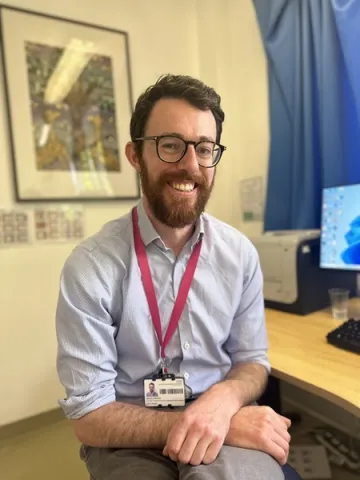
Doctor James Ashton
Associate ProfessorInflammatory Bowel Disease
Paediatrics
Big Data
Genomics
Accepting applications from PhD studentsEmail: J.Ashton@soton.ac.uk -
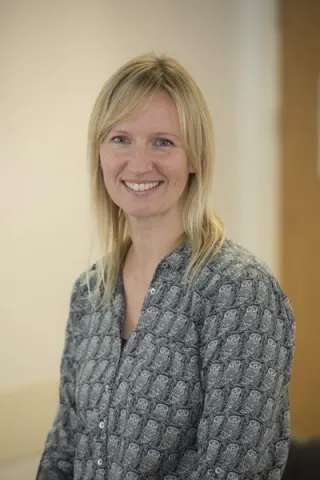
Doctor Jane Gibson
Associate ProfessorBioinformatics
Genomics
Cancer sciences
Email: J.Gibson@soton.ac.ukAddress: Southampton General Hospital, Tremona Road Shirley, Southampton, SO16 6YD -
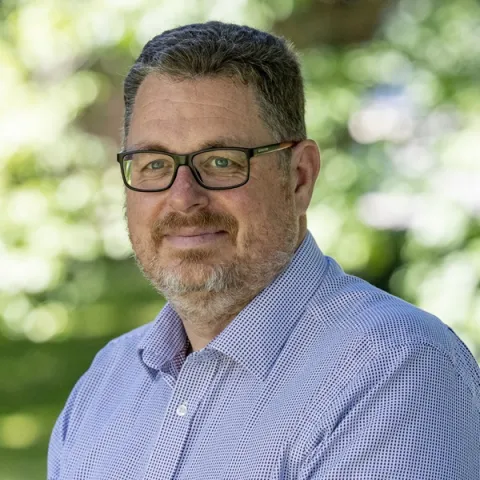
Professor John Holloway
Associate Vice-President (Interdisciplinary Research)Human genetics
Epigenetics
Respiratory Disease
Allergy
Accepting applications from PhD studentsEmail: J.W.Holloway@soton.ac.ukTel: +44 2380598098Address: Southampton General Hospital, Tremona Road Shirley, Southampton, SO16 6YD -

Doctor Kif Liakath-Ali
Lecturer in Advanced Cell BiologyRegulation of RNA splicing
RNA Splicing Misregulation in Neurodegeneration
Accepting applications from PhD studentsEmail: kif.liakath-ali@soton.ac.uk -

Doctor Matthew Rose-Zerilli
Associate ProfessorCancer prevention
Innate immunity
Tumour microenvironment
Accepting applications from PhD studentsEmail: M.J.Rose-Zerilli@soton.ac.ukTel: +44 2381205163Address: Southampton General Hospital, Tremona Road Shirley, Southampton, SO16 6YD

We are at a very exciting time in Life Science Research. The potential for novel discovery using ‘omics technologies combined with the computer science methodologies is immense.